Views: 0 Author: Site Editor Publish Time: 2025-08-07 Origin: Site
Wondering what sets a loader apart from a digger? You’ve landed in the right place! In this blog, we’ll break down the key differences between these two heavy-duty machines. From their primary functions and versatility to real-world applications, we’ll cover everything you need to know. Whether you’re planning a construction project or just curious, this guide will help you understand which machine is best for your needs. Let’s dive in!
A digger, also known as an excavator, is a powerful machine used for digging and moving earth. It’s like a giant shovel that helps us move heavy materials. Diggers are used in many industries, including construction, mining, and landscaping. They help build roads, dig foundations, and clear land.
What is a digger used for?: Diggers are great for digging holes, trenches, and foundations. They can also move large amounts of dirt and rocks.
Common industries and applications: Construction sites use diggers to prepare land for buildings. Miners use them to extract minerals. Landscapers use them to shape the land.
Diggers have several important parts that make them work. The boom is the long arm that reaches out. The arm moves the bucket, which scoops up dirt. The hydraulic system powers these parts, making them strong and precise.
Boom, arm, bucket, hydraulic system: These parts work together to dig and move materials. The hydraulic system gives the digger its strength.
360-degree rotation and mobility: Diggers can turn all the way around. This makes them very flexible and able to work in tight spaces.
There are different types of diggers for different jobs. Each type has special features that make it good for certain tasks.
Crawler Excavator: These diggers have tracks instead of wheels. Tracks help them stay stable on soft or uneven ground.
Suction Excavator: These diggers use a vacuum to suck up dirt. They’re great for digging without damaging underground pipes.
Dragline Excavator: These are very large diggers used in mining. They can move huge amounts of earth.
Mini Excavator: These are small diggers perfect for tight spaces. They can fit in places where bigger diggers can’t go.
Diggers come in many sizes and types, so there’s always one that’s perfect for the job. Whether you need to dig a small hole or move mountains of dirt, there’s a digger that can help.
A loader is a big machine that moves heavy stuff around. Imagine a giant shovel on wheels—that’s a loader! It scoops up dirt, rocks, and other materials and carries them from one place to another. Loaders are super useful on construction sites and in mines.
What does an underground loader do?: Underground loaders help move materials in mines. They’re like little workhorses that carry heavy loads in tight spaces.
Common usage on construction sites: On construction sites, loaders are used to move dirt, load trucks, and clean up debris. They’re great for getting things done quickly.
Loaders come in different sizes and types. Each one is good for different jobs.
Wheel Loader (small, medium, large): These loaders have big wheels and can move fast. Small ones are great for tight spaces, while large ones can carry huge loads.
Compact Loader: These are small and nimble. They fit in tight spots and can do lots of different jobs.
Front-End Loader: This type of loader has a big bucket on the front. It’s perfect for scooping up materials and loading them into trucks.
Skid Steer Loader (brief mention): Skid steer loaders are small and can turn in tight spots. They’re great for jobs that need a lot of maneuvering.
Loaders have a few key parts that make them work well.
Large Front Bucket: This is the scoop that picks up materials. It’s like the loader’s big hand.
Boom Arms: These are the arms that lift and move the bucket. They help the loader reach and lift heavy loads.
Wheel vs Track Options: Some loaders have wheels, which are good for moving fast on smooth surfaces. Others have tracks, which are better for rough ground.
Loaders are versatile machines that can handle lots of different jobs. Whether you need to move a little bit of dirt or a lot, there’s a loader that can help.
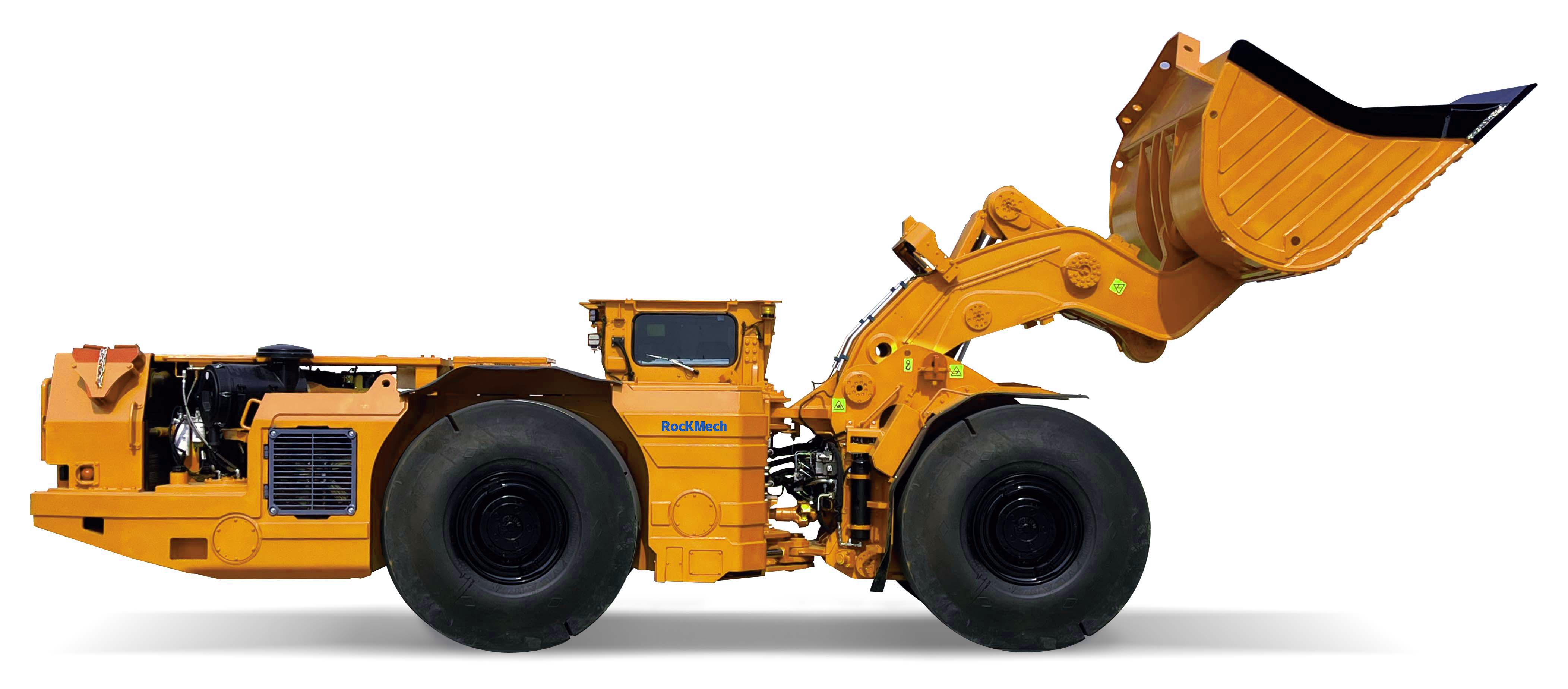
Loaders and diggers are both powerful machines, but they serve different purposes. Loaders are primarily used for moving materials around construction sites or mines. They can carry heavy loads and load trucks quickly. Diggers, on the other hand, are designed for digging tasks. They can dig deep holes, trenches, and foundations with precision. When it comes to versatility, diggers have the upper hand. Their 360-degree rotation allows them to work in tight spaces and perform a variety of tasks. Loaders, while not as versatile, excel in moving large volumes of material efficiently.
The way these machines operate is a significant difference. Diggers can rotate 360 degrees, which makes them highly maneuverable in tight spaces. This feature is particularly useful for tasks that require precision and access to hard-to-reach areas. Loaders, however, operate only in the front direction. They need more space to maneuver and turn around. This front-only operation limits their flexibility in tight spaces. Diggers’ ability to rotate fully gives them an advantage in situations where space is limited.
Bucket capacity is another key difference. Loaders have larger buckets that can carry more material in one trip. This makes them ideal for tasks that involve moving large volumes of material quickly. Diggers, with their smaller buckets, are better suited for digging tasks that require precision. They can dig deeper and more accurately, making them perfect for tasks like trenching and foundation work. When it comes to handling large loads, loaders are generally the better choice. Their big buckets allow them to move more material in fewer trips, increasing efficiency on the job site.
The type of terrain also affects which machine is more suitable. Diggers typically have tracks, which provide better traction and stability on rough or uneven ground. This makes them ideal for working in mines or construction sites with challenging terrain. Loaders, which usually have wheels, perform better on smooth surfaces. They are faster and more mobile on paved roads or flat ground. The choice between tracks and wheels depends on the specific conditions of the job site. Diggers with tracks are more versatile in terms of terrain, while loaders with wheels are more efficient on smooth surfaces.
Both loaders and diggers require regular maintenance, but the cost and frequency can vary. Diggers, with their complex hydraulic systems and more moving parts, often require more frequent repairs and maintenance. This can lead to higher costs over time. Loaders, being simpler in design, generally have lower maintenance costs. They also tend to be more fuel-efficient, which can save on operational costs. When considering the total cost of ownership, it’s important to factor in both the initial purchase price and the ongoing maintenance and fuel costs. Loaders are often more cost-effective in the long run, especially for tasks that don’t require the precision of a digger.
| Feature | Loader | Digger |
|---|---|---|
| Purpose | Moving materials, loading trucks | Digging, trenching, precision work |
| Versatility | Lower (front-only operation) | Higher (360° rotation) |
| Bucket Capacity | Large (volume handling) | Small (precision digging) |
| Fuel Efficiency | Higher | Lower |
Choosing between a loader and a digger depends on the specific needs of your project. The main task determines the machine. If digging deep holes or trenches is the priority, a digger is ideal. For moving large amounts of material, a loader is more efficient. Workspace also matters. Diggers work well in tight spaces due to their 360-degree rotation. Loaders need more room to maneuver. The volume of material to be moved is crucial. Loaders can handle more material per trip with their larger buckets. Diggers are better for precision tasks.
Dump height is another factor. Diggers can dump materials from a higher position, which is useful for certain tasks. Loaders have a lower dump height but can still handle large bins or trucks. Budget is important too. Loaders are generally cheaper to buy and maintain. Diggers, with their complex systems, can be more expensive.
In certain scenarios, one machine is clearly better than the other. Use a digger when you need to dig deep foundations, trenches, or holes. Diggers are also great for demolition tasks and working in tight spaces. Choose a loader when you need to move large amounts of material quickly.
Loaders are ideal for loading trucks, creating stockpiles, and general material handling. In many large-scale mining operations, both loaders and diggers are used together. The digger digs the material, and the loader moves it to where it needs to go. By considering these factors, you can make an informed decision about which machine is right for your project.
In the world of mining and construction, choosing the right machine for the job can make all the difference. Let’s look at some real-world scenarios where a digger or a loader might be the better choice.
When it comes to digging a swimming pool, a digger is the star of the show. Pools require precise and deep digging. Diggers can reach those depths and create the exact shape needed. Their ability to rotate 360 degrees means they can work in tight spaces around the pool area without needing to move around too much. Loaders, on the other hand, are not designed for such precise and deep digging tasks.
Building an underground parking lot involves moving a lot of dirt and creating large, open spaces. Here, a loader shines. Loaders can quickly move large amounts of material from the excavation site to the dump trucks. Their big buckets and powerful lifting arms make them perfect for this kind of heavy lifting. While a digger can help with some of the initial digging, the loader takes over for the bulk of the material handling.
Road construction sites are busy places with lots of material to move. Loaders are great for this job. They can quickly load and transport materials like gravel and asphalt. Their large buckets and mobility make them efficient for both loading trucks and spreading materials. In cleanup operations, loaders can quickly remove debris and load it into dump trucks. Diggers can help with some of the initial digging, but loaders are the workhorses for moving materials.
Landscaping projects often require a mix of digging and moving materials. Diggers are perfect for creating ponds, digging trenches for irrigation, and shaping the land. Their precision and ability to dig deep make them ideal for these tasks. Loaders, with their large buckets, are great for moving soil, rocks, and other materials around the site. They can also help with creating large stockpiles of materials. In site preparation, loaders can quickly clear and level the land, making it ready for construction.
In each of these scenarios, the choice between a digger and a loader depends on the specific needs of the project. Diggers excel in precision digging and tight spaces, while loaders are the go-to machines for moving large amounts of material quickly and efficiently.
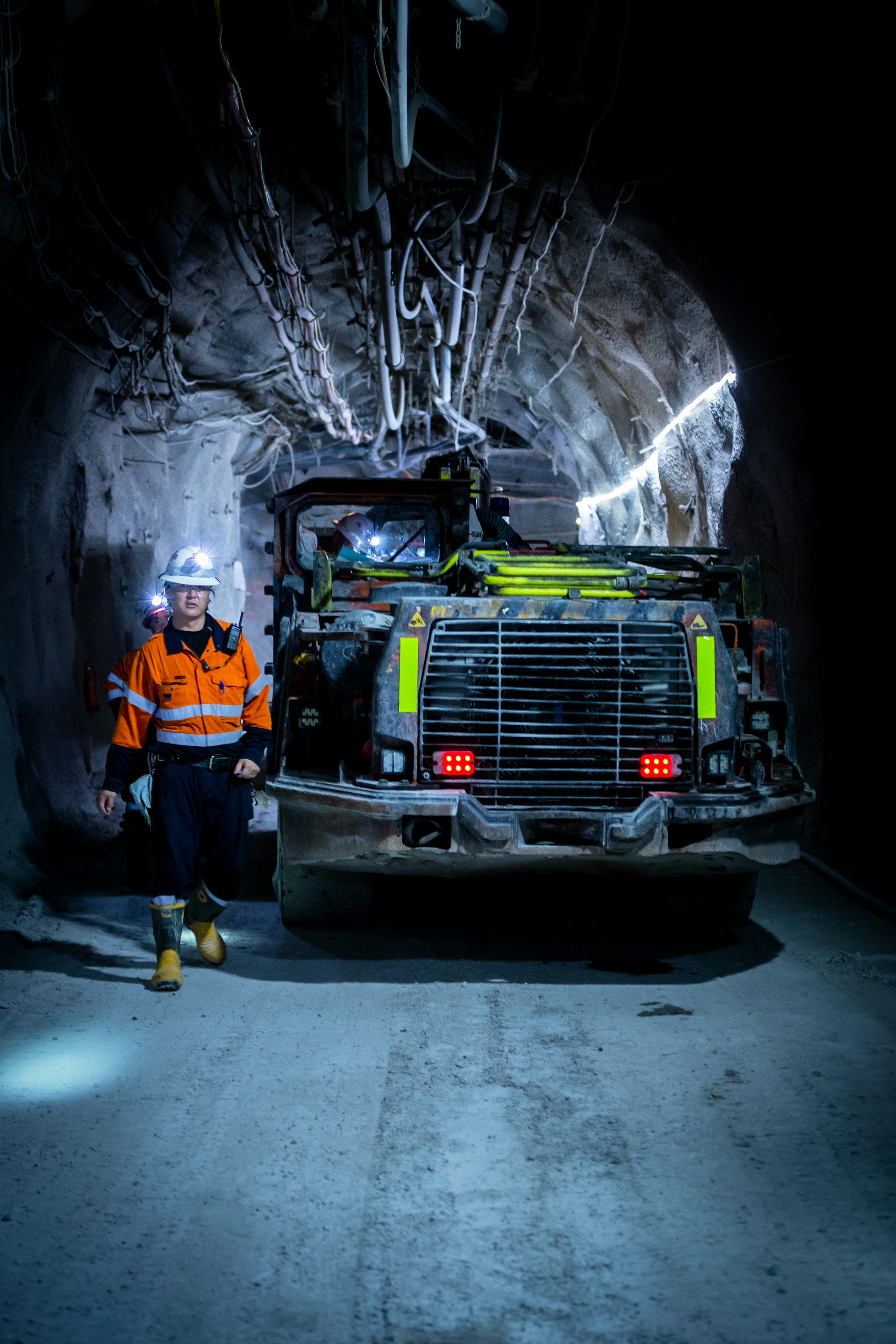
Loaders are powerful machines with some great advantages. They are fast and can move large amounts of material quickly. Their big buckets make them perfect for loading trucks and creating stockpiles. Loaders are also very mobile and can move around construction sites easily. However, loaders have some limitations. They are not designed for deep digging and lack the precision of a digger. When it comes to digging deep holes or trenches, loaders might struggle.
Diggers, on the other hand, offer precision and deep digging capabilities. Their 360-degree rotation allows them to work in tight spaces and perform a variety of tasks. Diggers are perfect for tasks that require accuracy, like digging foundations or trenches. However, diggers have a lower material carrying capacity compared to loaders. Their smaller buckets mean they can’t move as much material in one trip. This can make them less efficient for tasks that involve moving large volumes of material.
| Feature | Loader | Digger |
|---|---|---|
| Speed | Fast | Slower |
| Bucket Size | Large | Small |
| Mobility | High | High |
| Digging Depth | Limited | Deep |
| Material Carrying | High | Low |
By understanding the pros and cons of loaders and diggers, you can choose the right machine for your specific needs. Loaders are great for moving materials quickly, while diggers excel in precision and deep digging tasks.
Loaders can dig, but they aren’t as good as diggers. Loaders have big buckets for moving material quickly. Diggers have smaller buckets but can dig deep and precisely. If you need to dig deep holes or trenches, a digger is better. Loaders are great for moving material, but not for deep digging.
Diggers can move material, but they aren’t as efficient as loaders. Loaders have large buckets that can carry a lot of material in one trip. Diggers have smaller buckets and can’t move as much material at once. If you need to move a lot of material quickly, a loader is the better choice.
Loaders are generally easier for beginners. They have simpler controls and are more straightforward to use. Diggers have more complex systems and require more training to operate safely and effectively. If you’re new to operating heavy machinery, starting with a loader might be easier.
It depends on your project. If you need to dig deep holes or trenches, a digger is essential. For moving large amounts of material, a loader is better. In many large projects, both machines are used together. The digger digs the material, and the loader moves it. This combination makes the work more efficient. But if your budget is limited, you might need to choose one based on your main task.
Ready to make the right choice for your next project? At RockMech (Yantai) Heavy Machinery Co., Ltd., we specialize in providing top-tier loaders designed for efficiency and durability. Whether you need to dig deep or move mountains, our equipment is built to handle it. Let’s work together to find the perfect machine for your needs and ensure your project runs smoothly. Reach out today to explore our range of solutions and take the first step towards a successful operation. Your journey to smarter, more efficient construction starts here with RockMech.