Views: 0 Author: Site Editor Publish Time: 2026-01-09 Origin: Site
Ever wondered how we access the precious minerals buried deep beneath the Earth’s surface? Subsurface mining is the key, using tunnels to extract valuable resources like gold and diamonds.
In this article, we’ll dive into the advantages and disadvantages of subsurface mining. We’ll explore its environmental impact, costs, safety issues, and how mining equipment makes it all possible.
By the end, you'll gain a clearer understanding of what makes subsurface mining both a vital and challenging industry.
Subsurface mining, also known as underground mining, is the extraction of valuable minerals located deep beneath the Earth's surface. Unlike surface mining, which involves removing layers of soil and rock to reach ore bodies, subsurface mining requires tunneling or shaft construction to access mineral deposits. This method is used to extract ores that are too deep to be mined by traditional open-pit mining methods, such as coal, gold, and other precious metals.
The technique involves different methods such as shaft mining, slope mining, and drift mining, depending on the nature and depth of the ore body. Key mining equipment like underground loaders, underground trucks, rock splitters, and underground drill rigs are essential for carrying out the process efficiently.
Subsurface mining requires specialized equipment designed for safe, efficient, and precise operations in confined underground spaces. Here are some of the most commonly used machines in underground mining:
● Underground Loader: These are essential for transporting ore from deep underground to surface level. RockMech’s Underground Loader series, for example, provides high breakout forces and low operating costs, ensuring smooth operation in narrow tunnels.
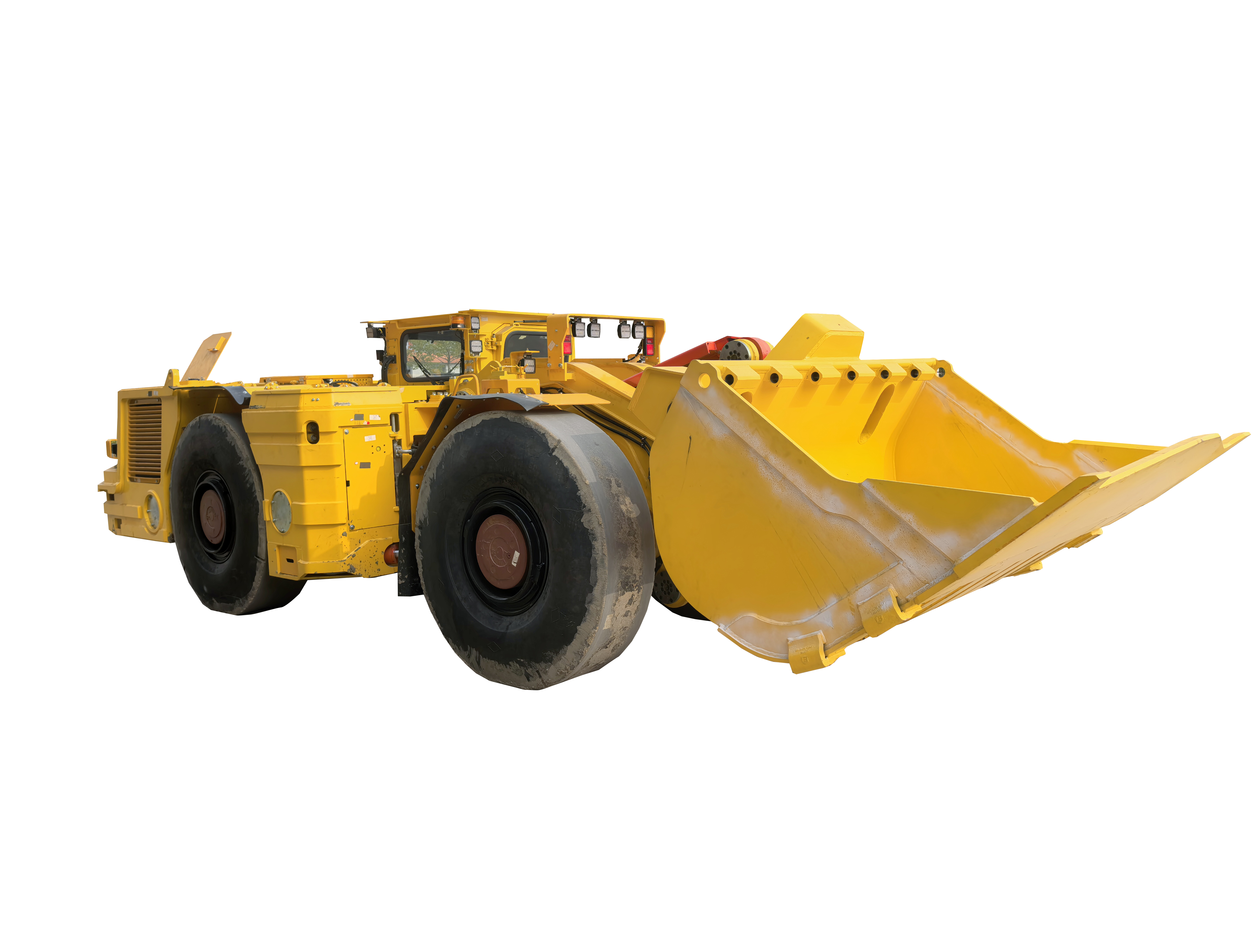
● Underground Truck: These trucks are designed to haul large quantities of ore, materials, and equipment within tight, confined spaces underground. RockMech’s Underground Trucks are known for their durability and powerful drivetrains, enabling fast, efficient hauling even in rough terrains.
● Rock Splitter: This equipment is crucial for breaking rock formations without the need for explosives. It enhances safety by allowing controlled fragmentation, reducing risks in confined spaces. RockMech’s Rock Splitter is an ideal tool for mining and tunneling projects.
● Underground Drill Rigs: Used for drilling boreholes to access minerals, these rigs provide precise drilling capabilities. RockMech’s underground drill rigs are designed for high performance, ensuring efficient and safe drilling operations underground.
● Underground Utility Vehicle: These vehicles are versatile and used for transporting workers, tools, and materials to and from mining sites. With compact designs and advanced safety features, RockMech’s utility vehicles enhance the overall safety and efficiency of underground mining operations.
Equipment Type | Key Features | Benefits |
Underground Loader | High breakout force, compact design | Efficient material handling |
Underground Truck | Durable, powerful drivetrain | Fast, safe hauling |
Rock Splitter | Controlled fragmentation, robust design | Safe, effective rock breaking |
Underground Drill Rigs | High-performance drilling capability | Precise, efficient drilling |
Underground Utility Vehicle | Compact, advanced braking systems | Versatile, supports mining tasks |
Subsurface mining dates back thousands of years, with early methods involving rudimentary tools like pickaxes and shovels. However, it was during the Industrial Revolution that major advancements in mining technology occurred, including the introduction of steam-powered engines and drilling machinery. Over the 20th century, innovations like electric-powered drills, underground ventilation systems, and automated mining equipment revolutionized underground mining. Today, advanced mining equipment continues to evolve, enhancing productivity, safety, and efficiency in subsurface mining operations.
Subsurface mining offers several distinct advantages, especially in terms of accessing deep mineral resources and minimizing surface-level environmental damage.
One of the most significant benefits of subsurface mining is the ability to access minerals deep below the Earth's surface. With the help of advanced mining equipment, the extraction process has become much more efficient. For example, underground loaders and underground trucks are designed to handle the transportation of materials in narrow, confined tunnels, reducing the need for manual labor and improving the speed of the extraction process.
In particular, underground drill rigs enable precise drilling for minerals that would otherwise be impossible to reach using surface mining methods. As a result, miners can extract deeper ore deposits more efficiently, increasing overall resource yield and profitability.
Compared to open-pit mining, subsurface mining generally has a lower environmental impact at the surface. Since the majority of the mining process occurs underground, there is minimal disruption to the surface environment. This results in reduced soil erosion, less destruction of wildlife habitats, and fewer visual impacts on the landscape.
Additionally, mining equipment such as rock splitters helps to reduce the need for explosives, further decreasing environmental risks such as dust and noise pollution. The ability to mine underground also minimizes the visual impact of mining operations on the surrounding ecosystem.
Subsurface mining allows miners to access minerals that are located much deeper underground than surface methods can reach. Resources such as gold, diamonds, and coal often lie far beneath the surface, making traditional mining techniques impractical. Subsurface mining provides a way to tap into these deep deposits while using specialized mining equipment like underground loaders, rock splitters, and underground trucks to transport ore efficiently and safely.
One of the primary concerns in subsurface mining is worker safety. However, modern mining equipment has significantly improved safety conditions. For example, underground loaders and underground utility vehicles are equipped with advanced safety features such as automated systems, reinforced structures, and gas detection sensors to help protect workers from hazards like tunnel collapses, dust inhalation, and toxic gas exposure.
Moreover, the increasing use of automation and robotics in mining equipment is reducing the need for human workers in dangerous underground environments. This innovation lowers the risk of accidents and increases overall operational safety.
While subsurface mining offers several advantages, it also comes with notable challenges, including high operational costs, safety risks, and environmental concerns.
Subsurface mining is an expensive operation due to the high cost of mining equipment, energy consumption, and maintenance. Specialized mining equipment such as underground loaders, underground trucks, and drill rigs require significant investment and regular maintenance. Additionally, energy costs for powering heavy machinery and ventilation systems in underground operations can add to the overall expenses.
The cost of building and maintaining underground tunnels and shafts also contributes to the high operational costs. These expenses can make subsurface mining less economically viable for certain resources, especially if ore deposits are shallow or small.
One of the most significant risks of subsurface mining is the potential for underground collapses. The structural integrity of tunnels and shafts must be carefully monitored to avoid cave-ins, which can lead to loss of life and significant damage to mining operations. Mining equipment like underground utility vehicles plays a crucial role in ensuring safe transport through tunnels, but even with the best machinery, structural failures can occur.
To mitigate this risk, mining operations invest in reinforcement technologies and regular monitoring of mine stability. However, the possibility of collapse remains a significant concern in subsurface mining.
Miners face a variety of health risks when working underground, including exposure to dust, harmful gases, and extreme temperatures. Underground drill rigs and rock splitters generate dust that can lead to respiratory problems like silicosis, a lung disease caused by inhaling fine dust particles. Additionally, the confined spaces in which miners work can exacerbate these health risks, as well as the potential for toxic gas accumulation.
Advanced mining equipment like air filtration systems and ventilation technology are designed to reduce exposure to harmful particles. However, the risks of underground mining still pose serious health concerns for workers.
While subsurface mining has a lower surface-level environmental impact than open-pit mining, it can still cause significant damage to underground ecosystems. Tunneling and drilling can cause ground subsidence, where the land above the mine sinks due to the removal of material below. This can lead to the contamination of groundwater supplies and disrupt underground ecosystems.
Additionally, improper waste disposal and chemical usage during the mining process can result in soil and water contamination. The environmental impact of subsurface mining requires careful management and the use of sustainable mining practices and equipment.
Mining equipment manufacturers, like RockMech, have made significant strides in improving safety with advanced technology. For example, underground loaders and underground trucks come equipped with sensors to detect dangerous gases, automatic braking systems, and reinforced cabins to protect workers from potential accidents. These innovations enhance the safety of subsurface mining operations and reduce the risks associated with tunnel collapses and other hazards.
Automation is playing an increasingly important role in subsurface mining. Robotic machinery, such as autonomous underground trucks and utility vehicles, reduces the need for human workers to operate in dangerous environments. This not only improves safety but also boosts operational efficiency by allowing equipment to work continuously without breaks.
Automation also helps to reduce human error and increase the precision of mining activities. For example, automated underground drill rigs can ensure more accurate drilling, reducing the risk of tunnel collapse or environmental contamination.
The future of subsurface mining lies in the development of sustainable mining equipment. Energy-efficient underground loaders, solar-powered ventilation systems, and machines that reduce carbon emissions are becoming increasingly common in the industry. These innovations are helping reduce the environmental footprint of mining operations while maintaining high productivity levels.
As mining technology continues to evolve, more advanced mining equipment will be developed. The future of subsurface mining will likely see further automation, improved safety systems, and greater energy efficiency. Additionally, innovations in materials science will lead to the development of more durable and long-lasting mining equipment, reducing downtime and maintenance costs.
Emerging technologies may offer solutions to reduce the environmental impact of subsurface mining. For example, advancements in water treatment systems could help prevent contamination of nearby groundwater, while carbon capture technologies could minimize greenhouse gas emissions from underground operations.
Automation will continue to play a key role in subsurface mining. With the development of AI-powered equipment and autonomous vehicles, subsurface mining operations will become safer, more efficient, and more environmentally friendly.
Subsurface mining offers numerous benefits, including the ability to access deep resources and minimize surface environmental impact. However, high operational costs, safety risks, and potential environmental damage below the surface remain significant challenges. The key to the future of subsurface mining lies in continued innovation in mining equipment. By embracing automation, advanced safety features, and sustainable practices, mining operations can maximize the benefits of subsurface mining while minimizing its drawbacks.
For businesses investing in subsurface mining, it is crucial to prioritize mining equipment that enhances safety, efficiency, and sustainability. Regular maintenance of underground machinery, such as underground loaders, rock splitters, and underground trucks, will help reduce operational downtime and ensure long-term success.
At RockMech, we provide top-quality underground mining equipment designed to enhance productivity and safety. Our equipment, including underground loaders, underground trucks, rock splitters, underground drill rigs, and underground utility vehicles, are built to meet the demands of modern mining operations. By selecting the right equipment from RockMech, you can achieve greater efficiency, reduce downtime, and improve safety in your projects.
A: Subsurface mining equipment such as underground loaders and trucks offers several advantages, including increased efficiency in material handling, improved safety through advanced technology, and the ability to access deep ore deposits. These machines reduce downtime and improve productivity in narrow underground spaces, making them essential for modern mining operations.
A: An underground truck is crucial in subsurface mining as it transports mined materials, equipment, and workers efficiently within confined tunnels. Equipped with a powerful drivetrain, it ensures fast and reliable hauling, complementing other equipment like underground loaders and drill rigs, thus enhancing operational efficiency.
A: A rock splitter is used for controlled rock fragmentation in subsurface mining. It complements underground loaders and trucks by breaking large rocks into smaller, more manageable pieces, ensuring safer and faster extraction. This minimizes the need for explosives and reduces safety hazards in narrow mining spaces.
A: An underground drill rig is essential for precise drilling in subsurface mining, enabling the creation of tunnels or shafts to access valuable ore deposits. It works alongside underground loaders and trucks to ensure smooth operations by providing accurate drilling capabilities for mineral exploration or production.