


Views: 0 Author: Site Editor Publish Time: 2025-09-29 Origin: Site
Did you know that the method of mining can drastically affect both the environment and cost of operations? Surface mining and subsurface mining are two primary ways to extract valuable minerals, each with unique advantages and challenges.
In this article, we will explore the differences between surface and subsurface mining, focusing on operational efficiency, safety, and environmental impact. You will also learn about the role of underground dump trucks in ensuring the success of subsurface mining operations by optimizing material transport and safety.
Surface mining is a method of mining in which the overburden (soil, rock, and other materials) is removed to expose the valuable mineral deposits underneath. This technique is commonly used when the minerals are located near the surface, making it easier and more cost-effective to extract them. Surface mining methods include:
Open-pit mining: Removing layers of soil and rock to access the minerals beneath. This is typically used for large, flat ore bodies.
Strip mining: A technique in which horizontal layers of earth are removed to extract coal or other minerals. Often used for shallow mineral deposits.
Mountaintop removal: Involves blasting away the tops of mountains to expose mineral seams below. This method is commonly used for coal mining in some areas.
Subsurface mining, also known as underground mining, involves the creation of tunnels, shafts, or adits to reach mineral deposits located deep within the earth. Subsurface mining is used when the ore body is too deep for surface mining methods to be effective. Subsurface mining methods include:
Drift mining: Horizontal tunnels are constructed to access mineral veins.
Shaft mining: Vertical shafts are created to reach deposits deep underground.
Slope mining: Inclined tunnels are dug to access minerals located deep below the surface, often in mountainous areas.
The primary differences between surface and subsurface mining lie in the depth of the mineral deposits, the scale of operations, the equipment used, and the environmental and safety concerns. Surface mining is best suited for minerals that are near the surface, while subsurface mining is the method of choice for deeper mineral deposits. Although surface mining is often more cost-effective, subsurface mining allows access to valuable minerals that are located too deep for surface extraction.
Surface mining is typically faster and less costly in terms of capital investment, especially when the mineral deposits are near the surface. Large-scale excavation can be done relatively quickly, with equipment such as draglines, bulldozers, and haul trucks efficiently removing large volumes of material. However, the efficiency of surface mining decreases as the mineral deposits get deeper, as more overburden needs to be removed, making the process more time-consuming and costly.
Underground mining can be more labor-intensive, requiring the development of tunnels and shafts to access the mineral deposits. It also demands more advanced technology for safety, ventilation, and structural support. Despite the complexity, subsurface mining is often more efficient when dealing with minerals that are located at significant depths. One key to improving the efficiency of subsurface mining is the effective transport of materials from deep underground to the surface. This is where underground dump trucks come into play. These specialized vehicles are designed to transport heavy loads through narrow tunnels, ensuring smooth and safe operations in confined spaces.
Surface mining has the advantage of lower initial costs, especially for shallow mineral deposits. However, as mineral depths increase, surface mining becomes more expensive, requiring more labor, fuel, and equipment. Subsurface mining, although more costly upfront due to the need for tunnels, shafts, and more specialized equipment, becomes more cost-effective for deep mineral deposits. Underground dump trucks help lower operational costs by reducing manual labor, optimizing material transport, and minimizing the need for complex material handling systems. As such, investing in these trucks can offer long-term savings and efficiency.
| Environmental Impact | Surface Mining | Subsurface Mining |
|---|---|---|
| Habitat Destruction | High (due to large land disturbance) | Low (minimal surface disturbance) |
| Water Contamination | High (runoff from mining site) | Moderate (potential groundwater contamination) |
| Air Pollution | High (dust and emissions) | Low (confined underground environment) |
| Soil Erosion | High (due to large-scale excavation) | Low (minimal surface disruption) |
Surface mining has significant environmental impacts, including large-scale land disturbance, habitat destruction, water contamination, and air pollution. The removal of large amounts of overburden exposes the environment to the risk of erosion, which can cause soil degradation and negatively impact local ecosystems. Additionally, surface mining can lead to the contamination of water sources from runoff and the emission of particulate matter into the air. While certain restoration techniques, such as replanting vegetation and controlling water runoff, can help mitigate some of these impacts, surface mining remains a major contributor to environmental degradation.
Subsurface mining tends to have a smaller environmental footprint compared to surface mining because it does not disturb large surface areas. Since the extraction process occurs underground, the above-ground ecosystems and water sources are not directly impacted by the mining process. However, subsurface mining is not without its environmental challenges, including groundwater contamination, air quality issues, and the risk of underground collapses. The use of underground dump trucks reduces surface-level disruptions by efficiently transporting extracted materials without requiring large-scale excavation at the surface, which helps preserve the surrounding environment.
To minimize the environmental impact of mining, both methods can adopt sustainable practices and technologies. For surface mining, measures such as using advanced waste management systems, planting vegetation to restore the land, and controlling water runoff can help mitigate environmental degradation. In the case of subsurface mining, the proper maintenance of underground dump trucks is crucial for reducing environmental risks. These trucks should be equipped with systems to control emissions and ensure safe, efficient transport of materials through tunnels. Additionally, using water recycling systems and monitoring air quality in underground mines can help reduce contamination and improve sustainability.
Surface mining operations are generally considered safer than subsurface mining due to the open nature of the excavation. However, there are still significant safety risks associated with surface mining, such as equipment accidents, dust inhalation, and landslides. Safety protocols and equipment such as protective gear, proper training, and safety drills are critical for reducing the risk of accidents. Furthermore, safety measures must be taken to address the risks of air and water pollution, which can adversely affect the health of nearby communities.
Subsurface mining is inherently more dangerous than surface mining due to the complex underground environment. Risks include tunnel collapses, poor ventilation, exposure to hazardous gases, and accidents involving heavy mining equipment. Ensuring the structural integrity of tunnels and shafts is paramount to preventing accidents. Underground dump trucks are equipped with safety features like reinforced cabins, automatic shut-off systems, and enhanced navigation controls to ensure that drivers can operate them safely in confined spaces. Moreover, ventilation systems in underground mines are crucial for maintaining air quality and ensuring the health and safety of workers.
While surface mining is considered safer overall, subsurface mining presents higher risks due to the complex, confined nature of the environment. However, advancements in mining equipment technology, such as underground dump trucks with improved safety features, have significantly reduced the risks associated with underground mining. These trucks are specifically designed to enhance the safety of operators by minimizing exposure to hazardous conditions while efficiently transporting materials. Investing in high-quality underground dump trucks is essential for improving both operational efficiency and worker safety in subsurface mining operations.
| Mining Method | Equipment Used | Purpose |
|---|---|---|
| Surface Mining | Excavators, Bulldozers, Draglines, Haul Trucks | To remove overburden and extract minerals at the surface |
| Subsurface Mining | Drilling Rigs, Mine Shafts, Underground Dump Trucks | To access and transport materials from deep underground |
| Underground Mining | Underground Dump Trucks, Hydraulic Systems | Specifically designed to navigate narrow tunnels and transport extracted ore |
Surface mining uses various types of heavy machinery, such as excavators, bulldozers, haul trucks, and draglines. These machines are designed to remove large quantities of overburden and extract valuable minerals at the surface. The main challenge for surface mining operations is efficiently handling large volumes of earth, which requires high-capacity equipment that can operate in open pit environments.
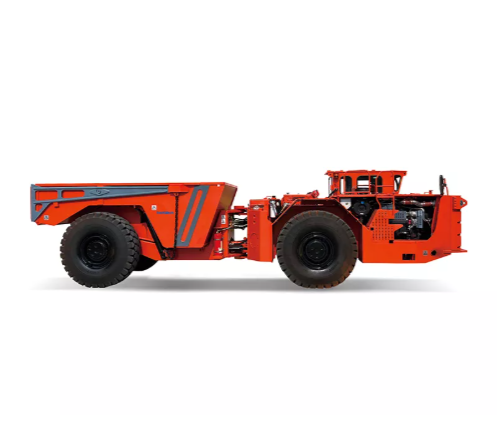
Subsurface mining requires specialized equipment, including drilling rigs, mine shafts, and underground dump trucks. These trucks are essential for transporting extracted minerals from deep within the earth to the surface. They are designed to withstand the challenging conditions of underground operations, such as narrow tunnels, steep gradients, and high-pressure environments. Underground dump trucks are equipped with advanced hydraulic systems, low-profile designs, and heavy-duty tires to navigate rugged underground terrain while carrying substantial loads.
Underground dump trucks are crucial for the efficient operation of subsurface mining, as they facilitate the transportation of large amounts of ore and materials from deep within the mine. These vehicles are specifically designed to handle the challenges of underground mining:
Low-profile bodies: These trucks are built with low-clearance designs, making them ideal for navigating tight, low-ceilinged tunnels.
Heavy-duty tires: The tires are designed to withstand the rugged underground terrain, providing durability and traction on uneven surfaces.
Advanced hydraulic systems: These systems are used to lift and transport heavy loads of ore with precision.
Automated systems: Some underground dump trucks are equipped with automation and GPS navigation systems to optimize operations and ensure safe transport of materials, reducing human error and improving overall productivity.
Investing in high-quality underground dump trucks is essential for the long-term success of subsurface mining operations. These trucks are indispensable for improving operational efficiency and enhancing safety in deep underground mining operations.
Surface mining is generally more cost-effective in the short term, especially when the mineral deposits are located close to the surface. The primary advantages of surface mining include lower operational costs and quicker extraction. However, the costs increase as the mineral deposits become deeper, as more overburden needs to be removed to access the minerals.
Subsurface mining requires higher upfront capital due to the need for infrastructure, such as tunnels and shafts. However, it is often more profitable when dealing with deep mineral deposits that surface mining cannot reach. Underground dump trucks play a crucial role in reducing operational costs by streamlining the process of transporting materials from underground to the surface, making the process more efficient.
Subsurface mining offers a higher recovery rate for deeper and more valuable mineral deposits, which are otherwise inaccessible using surface mining techniques. The efficient transport of materials by underground dump trucks ensures that extracted resources are moved quickly and safely, contributing to higher resource recovery rates and lower operational costs.
In this guide, we've explored the key differences between surface and subsurface mining, focusing on operational efficiency, safety, environmental impact, and cost. While surface mining is cost-effective for shallow deposits, subsurface mining is better for deeper, valuable minerals. Underground dump trucks are essential for subsurface mining, ensuring safe and efficient material transport.
RockMech provides reliable solutions that enhance mining operations. Their products are designed to optimize material handling and improve safety in mining environments, adding significant value to mining projects.
A: The key difference is the depth of the mineral deposits. Surface mining is used for shallow deposits, while underground mining accesses deeper minerals that are not feasible for surface extraction.
A: Underground dump trucks are designed to transport materials efficiently through narrow tunnels, ensuring smooth and safe transportation of ore from deep within the mine to the surface.
A: While underground mining can be riskier due to confined spaces, safety features like underground dump trucks with reinforced cabins and automatic systems improve worker safety by minimizing hazards.
A: Underground dump trucks are essential in optimizing the transportation of materials in underground mining, reducing manual labor and increasing overall operational efficiency.
A: Surface mining causes greater environmental disruption, including habitat destruction, while underground mining has less surface impact, though it may affect groundwater and air quality. Underground dump trucks help minimize surface-level disturbances.


