Views: 0 Author: Site Editor Publish Time: 2026-01-09 Origin: Site
Mining powers industries like construction, energy, and technology. But how do we extract these resources? The two main methods—surface mining and subsurface mining—each have their unique approaches, costs, and environmental impacts.
In this guide, we'll compare both methods, focusing on their differences. You’ll also learn how mining equipment like underground loaders, trucks, and drill rigs play a crucial role in making mining operations more efficient and sustainable.
Surface mining involves the extraction of minerals that are located close to the earth’s surface. It is typically performed using techniques like open-pit mining, strip mining, and mountaintop removal. These methods are chosen based on the depth of the mineral deposit and the surrounding terrain.
● Open-pit mining: This method involves creating a large, terraced pit to extract valuable minerals like gold, copper, and iron ore. It is often used for deposits that are spread out and can be accessed from the surface. Open-pit mining allows for the removal of large quantities of material at a time, making it highly efficient. However, it can cause significant environmental disruptions, including habitat destruction and erosion.
● Strip mining: Primarily used for coal extraction, strip mining removes layers of soil and rock to expose mineral deposits underneath. This technique is highly effective for shallow coal seams that lie close to the surface. After the material is removed, the exposed coal is extracted. However, the environmental impact of strip mining is significant, including loss of biodiversity, soil degradation, and water contamination due to runoff from disturbed soil.
● Mountaintop removal: This method involves removing entire mountain tops to access coal seams deep within the mountain. It is most commonly used in the Appalachian region of the U.S. Mountaintop removal provides easy access to large coal deposits but results in large-scale destruction of the landscape, including the burying of rivers and valleys under rubble, and it causes severe ecological damage and air and water pollution.
Surface mining allows for efficient extraction of large amounts of material, with significant use of mining equipment like haul trucks, excavators, and drill rigs. The technology behind this equipment plays a crucial role in reducing labor costs and increasing extraction speed.
● Cost-effective: Surface mining is generally cheaper than subsurface mining due to its simpler operations and lower infrastructure requirements. It involves less specialized equipment and fewer labor-intensive tasks. Additionally, the ability to remove large amounts of material quickly without needing complex underground tunnels or shafts makes it more economical. However, environmental rehabilitation costs can add to the overall expense.
● Safety: Surface mining is considered safer than subsurface mining because it is conducted above ground, where workers are not exposed to the risks of confined underground spaces, such as cave-ins, toxic gas exposure, or poor ventilation. The risk of accidents is reduced as heavy machinery and equipment can be easily accessed and maintained. However, surface mining still poses its own risks, such as machinery accidents and environmental hazards.
For example, underground trucks and rock splitters are frequently used in surface mining to transport materials and break rocks quickly. These tools improve overall productivity and reduce operational delays.
However, surface mining does come with significant limitations:
● Environmental impact: Surface mining has a significant environmental footprint as it often leads to widespread deforestation, the destruction of habitats, and the displacement of wildlife. The removal of soil and vegetation exposes the land to erosion, which can result in the loss of fertile soil. Additionally, pollutants from the mining process, such as heavy metals and chemicals, can contaminate nearby water sources, affecting ecosystems and local communities. The disturbance to natural landscapes can take decades to recover, if at all.
● Land degradation: Large-scale surface mining operations disturb extensive areas of land, leaving behind barren landscapes once the minerals are extracted. This disruption can lead to soil erosion, loss of soil fertility, and the degradation of ecosystems. After mining operations are completed, rehabilitating these lands is a major challenge due to the altered topography and the long-term environmental damage. The process of restoring the land to its original state, or repurposing it for new uses, is often expensive and time-consuming.
● Resource depletion:Surface mining primarily targets minerals located near the earth’s surface, which makes it highly efficient in the short term. However, once these surface-level deposits are depleted, mining companies must either move to deeper, more costly reserves or shift to other methods. This increases the complexity and cost of the mining operation, requiring more advanced equipment, deeper excavation techniques, and longer project timelines. The depletion of easily accessible resources can drive up production costs and reduce the profitability of mining operations.
Subsurface mining, or underground mining, is employed when mineral deposits are located deep beneath the earth’s surface. This technique requires digging tunnels, shafts, or drifts to access the minerals. Underground drill rigs and rock splitters are typically used for precise drilling and effective rock breaking, respectively.
Common subsurface mining methods include:
● Shaft mining: Shaft mining involves drilling vertical shafts into the ground to reach mineral deposits located deep beneath the surface. This method is commonly used for extracting resources like gold and coal, which are often found at great depths. Shaft mining requires the construction of a vertical tunnel that connects the surface to the ore body. Once the shaft is in place, miners can access and transport minerals using various methods, including lifts or hoists. While it allows access to deep resources, shaft mining is expensive, complex, and poses significant safety risks due to the underground environment.
● Drift mining: Drift mining involves digging horizontal tunnels, or drifts, to access mineral deposits that are located relatively close to the surface. This technique is typically used for minerals like coal that are found at shallow depths beneath hills or mountains. The horizontal tunnels are created to follow the mineral vein, providing access for miners to extract the resources. Drift mining is less costly than shaft mining, as it requires less infrastructure and does not require the extensive vertical excavation of shafts. However, it is limited to locations where the resource is accessible via horizontal tunneling.
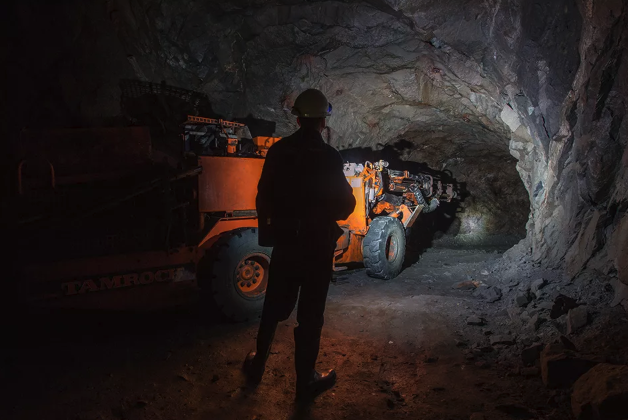
● Access to deeper resources: Subsurface mining provides the ability to extract minerals that are located deep beneath the earth’s surface, beyond the reach of surface mining methods. This includes valuable resources like gold, copper, and coal that are found in deeper layers of rock. Techniques like shaft mining and drift mining allow for the extraction of these resources without disturbing the overlying land, making it an ideal solution for accessing rich deposits that would otherwise be out of reach. However, while it enables access to deeper resources, it also involves higher operational costs and more complex equipment.
● Less surface disruption: One of the key advantages of subsurface mining is its ability to minimize disruption to surface ecosystems. Since the mining takes place underground, the surface landscape remains largely intact, preserving natural habitats, vegetation, and wildlife. This method reduces the environmental damage typically associated with surface mining, such as deforestation, soil erosion, and water contamination. However, subsurface mining can still pose environmental challenges, such as the risk of groundwater contamination and subsidence (the sinking of the earth above the mine).
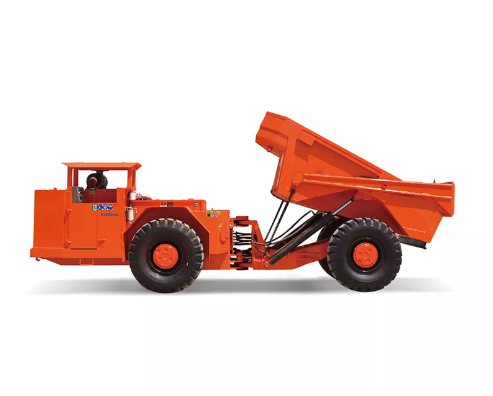
In subsurface mining, underground loaders play a critical role in material handling, transporting mined materials through narrow, confined tunnels. Similarly, underground trucks are used to haul materials from the mine to the surface for processing.
● Safety risks: Subsurface mining carries significant safety risks due to the underground environment. Cave-ins are a primary danger, where tunnels or shafts may collapse under pressure, trapping workers. Additionally, workers may be exposed to toxic gases such as methane or carbon monoxide, which can be harmful or even fatal if not properly ventilated. Poor air quality is another concern, as underground spaces can have limited airflow, leading to a buildup of harmful fumes. These risks require stringent safety protocols, advanced ventilation systems, and constant monitoring to protect miners.
● Higher costs: Subsurface mining is generally more expensive than surface mining because it involves extensive infrastructure and specialized equipment. Digging vertical shafts, tunneling through hard rock, and maintaining underground spaces require substantial investment in equipment like underground loaders, drill rigs, and utility vehicles. The logistics of transporting materials from deep underground to the surface also contribute to higher costs. Additionally, the need for skilled labor and safety systems adds to the overall expense of subsurface mining operations.
● Technical complexities: Extracting minerals from deep within the earth requires advanced technology and specialized mining equipment to overcome the challenges posed by confined spaces, harsh conditions, and depth. Underground utility vehicles play a critical role in providing maintenance support and transporting personnel and materials throughout the mine. The work in such environments demands highly trained workers who can operate sophisticated machinery and ensure safe conditions. These complexities, combined with the need for precise extraction methods, make subsurface mining a highly technical and labor-intensive process.
Underground loaders are critical to the efficiency and safety of subsurface mining. These vehicles are used to transport mined materials from deep within tunnels to the surface for processing. With their powerful lifting capabilities and compact designs, they can operate in tight spaces and ensure smooth material handling.
Equipment | Function | Benefits |
Transporting materials in confined underground spaces | Increased operational efficiency, reduced downtime | |
Hauling materials and equipment within mines | Compact, maneuverable, and durable | |
Breaking large rock formations underground | Reduced need for explosives, safer and faster rock fragmentation | |
Precise drilling of holes for resource extraction | Enhanced accuracy, reduced operational downtime | |
Transporting tools, maintenance teams, and crews | Improved productivity, support for underground operations |
Surface mining causes more direct and visible environmental damage than subsurface mining. It leads to the removal of large areas of soil, vegetation, and wildlife habitats. In contrast, subsurface mining generally avoids disturbing the surface, but there are still concerns such as the risk of groundwater contamination and underground subsidence.
Surface mining is often more cost-effective than subsurface mining. The upfront costs are lower, and the operational efficiency is higher due to the simpler process and the ability to use larger, less specialized mining equipment. However, as surface resources are depleted, the costs of extracting deeper deposits increase, leading to a shift toward subsurface mining.
Subsurface mining, while more expensive due to the complexity and specialized equipment like underground loaders and underground trucks, is the only viable option for accessing deeper mineral deposits.
Surface mining is the most efficient method for large-scale extraction of near-surface minerals. It is capable of moving large quantities of material quickly with the help of excavators, haul trucks, and drill rigs. Subsurface mining, while slower and more complex, is the preferred method for deeper resources. Here, underground loaders and underground utility vehicles help move materials and support workers in confined spaces.
Technological advancements have significantly improved surface mining efficiency and safety. Some examples include:
● Autonomous haul trucks: These trucks use GPS and automated control systems to transport mined materials, reducing the need for human operators and increasing operational safety.
● Drones for aerial surveying: Drones help monitor large surface mining operations, ensuring accurate data collection and improving decision-making.
Rock splitters and underground drill rigs have also evolved to provide faster, more efficient operations in surface mining projects. These machines can handle tough rock formations and assist in breaking large chunks of material, improving overall productivity.
Subsurface mining has also benefitted from innovative technologies:
● Underground loaders: Modern loaders have enhanced lifting capacities and are equipped with advanced safety systems, making them safer to operate in confined underground spaces.
● Underground drill rigs: Equipped with automation and real-time monitoring, underground drill rigs allow for more accurate drilling, reducing downtime and improving overall mining operations.
● Rock splitters: These machines provide controlled rock fragmentation without the use of explosives, improving safety and reducing the need for manual labor.
While surface mining is considered safer than subsurface mining, it still poses risks such as exposure to dust, machinery accidents, and noise pollution. Workers must wear protective gear to minimize these risks, and proper safety protocols must be followed to ensure worker well-being.
Subsurface mining carries greater risks due to the confined nature of underground spaces. Health hazards include exposure to toxic gases like methane and carbon monoxide, the risk of cave-ins, and poor ventilation. Underground loaders and underground utility vehicles are equipped with advanced ventilation systems to ensure safe conditions for workers.
Surface mining is evolving to become more sustainable. The industry is focusing on reducing emissions, managing water usage more efficiently, and rehabilitating mined areas. Newer underground trucks and rock splitters are designed to be more fuel-efficient and produce fewer emissions, contributing to cleaner operations.
Subsurface mining is also moving toward more sustainable practices. For example, new underground utility vehicles are designed to minimize energy consumption while improving mobility and operational efficiency. In addition, underground loaders are now built with more sustainable components, contributing to a reduction in the environmental impact of mining operations.
Surface and subsurface mining both have their strengths and weaknesses. Surface mining is ideal for resources near the earth’s surface and is more cost-effective, but it has significant environmental impacts. Subsurface mining, while more expensive and complex, is necessary for accessing deeper deposits and presents fewer environmental challenges on the surface.
As mining technology continues to evolve, innovations such as underground loaders, underground trucks, rock splitters, and underground drill rigs are playing a vital role in making mining operations more efficient, sustainable, and safer for workers. RockMech, a leading manufacturer of mining equipment, offers high-performance underground machinery, including underground loaders and underground trucks, which are designed to improve operational efficiency and reduce downtime in harsh underground environments. Their rock splitters and underground drill rigs are particularly beneficial for precise and safe rock fragmentation and drilling.
By choosing the right combination of equipment from trusted manufacturers like RockMech, and selecting the most appropriate mining method, companies can optimize their operations, reduce costs, and minimize environmental impact. With RockMech’s advanced mining solutions, mining operations can increase productivity while ensuring the safety of workers and the sustainability of the environment.
A: Surface mining extracts resources close to the surface, while subsurface mining accesses deeper deposits. Both methods require specific mining equipment, such as underground loaders and haul trucks, to increase efficiency and safety.
A: Underground loaders are designed for material handling in confined spaces, enhancing productivity and reducing downtime in subsurface mining. These machines play a crucial role in transporting materials from deep underground to the surface.
A: Subsurface mining involves high costs due to the need for specialized mining equipment like underground trucks and rock splitters, which require advanced technology and maintenance. Additionally, digging tunnels and shafts increases labor and operational costs.