


Views: 0 Author: Site Editor Publish Time: 2026-01-12 Origin: Site
What are the key differences between subsurface mining and strip mining? Both methods play a vital role in mineral extraction but vary in technique, safety, and environmental impact. Subsurface and strip mining serve different purposes based on mineral depth and location. Understanding these differences helps optimize mining operations, ensure worker safety, and minimize environmental harm. In this article, we will compare the two mining methods and explore how mining equipment like underground trucks, rock splitters, and underground loaders enhance efficiency and safety in these operations.
Subsurface mining, also known as underground mining, is used to access minerals located deep beneath the Earth's surface. This method requires creating tunnels or shafts to reach the mineral deposits.
● Process: Miners create tunnels or vertical shafts to access the minerals and then bring them to the surface. The extracted materials are transported using equipment like underground trucks and underground loaders.
● Types of Subsurface Mining:Shaft Mining: Involves creating vertical shafts to reach deep mineral deposits.
○ Drift Mining: Horizontal tunnels are dug to access minerals located near hillsides.
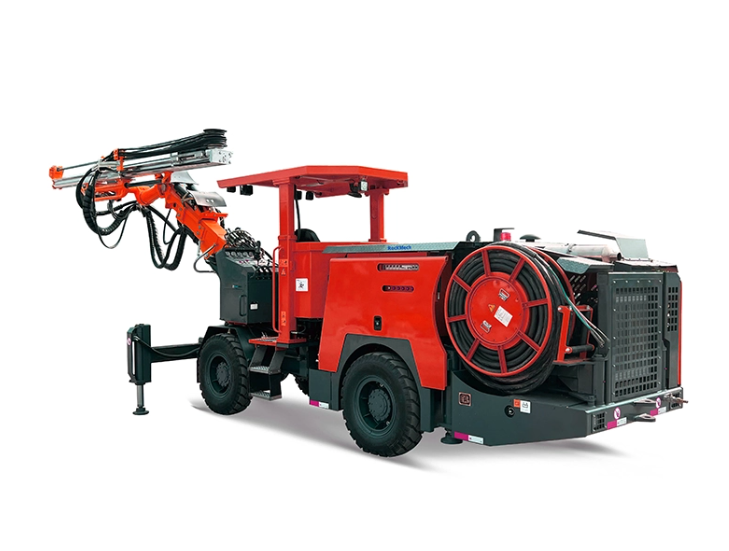
Mining equipment such as underground drill rigs and underground utility vehicles are essential for safely accessing and transporting materials from underground sites.
Strip mining is a surface mining technique used to remove large quantities of overburden (soil, rock, etc.) to expose and extract minerals. It’s commonly used for shallow mineral deposits.
● Process: In strip mining, large layers of earth are removed to reveal the minerals below. Shovels, draglines, and excavators are typically used to move the overburden and minerals.
● Types of Strip Mining:Contour Mining: Used in hilly areas, where the mining follows the contour of the land.
○ Area Mining: Ideal for flat areas where large sections are removed at once to expose minerals.
While strip mining is efficient for shallow resources, it causes extensive environmental damage and requires heavy equipment to manage the large volumes of material moved.
Subsurface mining requires specialized equipment to operate in harsh underground environments. Some of the key mining equipment used in subsurface mining includes:
● Underground Loader: These are essential for transporting ore from deep underground to surface level. RockMech’s Underground Loader series, for example, provides high breakout forces and low operating costs, ensuring smooth operation in narrow tunnels.
● Underground Truck: These trucks are designed to haul large quantities of ore, materials, and equipment within tight, confined spaces underground. RockMech’s Underground Trucks are known for their durability and powerful drivetrains, enabling fast, efficient hauling even in rough terrains.
● Rock Splitter: This equipment is crucial for breaking rock formations without the need for explosives. It enhances safety by allowing controlled fragmentation, reducing risks in confined spaces. RockMech’s Rock Splitter is an ideal tool for mining and tunneling projects.
● Underground Drill Rigs: Used for drilling boreholes to access minerals, these rigs provide precise drilling capabilities. RockMech’s underground drill rigs are designed for high performance, ensuring efficient and safe drilling operations underground.
● Underground Utility Vehicle: These vehicles are versatile and used for transporting workers, tools, and materials to and from mining sites. With compact designs and advanced safety features, RockMech’s utility vehicles enhance the overall safety and efficiency of underground mining operations.
Equipment Type | Key Features | Benefits |
Underground Loader | High breakout force, compact design | Efficient material handling |
Underground Truck | Durable, powerful drivetrain | Fast, safe hauling |
Rock Splitter | Controlled fragmentation, robust design | Safe, effective rock breaking |
Underground Drill Rigs | High-performance drilling capability | Precise, efficient drilling |
Underground Utility Vehicle | Compact, advanced braking systems | Versatile, supports mining tasks |
These pieces of mining equipment are essential for ensuring the safety, efficiency, and success of underground operations.
Strip mining requires larger, more robust equipment designed to handle the massive scale of material removal. Key mining equipment for strip mining includes:
● Draglines: Massive machines used to remove overburden and expose mineral deposits.
● Shovels: Used for digging and loading materials in strip mining operations.
● Excavators: These are essential for moving large amounts of earth quickly.
Using mining equipment in strip mining helps improve productivity and efficiency while minimizing environmental damage when done properly.
The key difference between subsurface and strip mining lies in the depth of the minerals and the techniques used to access them.
● Subsurface Mining: Involves digging tunnels or shafts to access minerals deep underground. Specialized mining equipment like underground trucks and underground loaders are required to transport minerals from the underground tunnels to the surface.
● Strip Mining: A surface method that removes large layers of earth to expose shallow mineral deposits. Draglines and excavators are typically used for stripping large areas of overburden.
Subsurface mining tends to have less direct impact on surface environments but can lead to groundwater contamination and land subsidence. Strip mining, however, has a significant environmental footprint, causing deforestation, habitat destruction, and water pollution.
● Subsurface Mining: While it doesn’t disturb the surface, it may impact groundwater and create underground voids that can lead to land subsidence.
● Strip Mining: Causes widespread surface disruption, including loss of vegetation and soil erosion, making it less environmentally sustainable.
Both methods pose risks to workers, but in different ways. Subsurface mining is particularly dangerous due to the risk of tunnel collapses and gas explosions. In strip mining, safety concerns arise from the heavy equipment used and the possibility of falling debris.
● Subsurface Mining Safety: Safety is a major concern in underground mining, with potential risks such as tunnel collapses and exposure to toxic gases. Equipment like underground utility vehicles is essential to transport workers safely and minimize these risks.
● Strip Mining Safety: Risks come from heavy machinery such as draglines and excavators. It also involves managing the dangers of working with unstable ground and large equipment.
When comparing the efficiency of subsurface mining and strip mining, it’s essential to consider factors like productivity, cost, and yield. Each method excels in different environments, depending on the depth and type of mineral deposits being extracted.
In terms of productivity, strip mining is generally more efficient for shallow mineral deposits. This is because the method involves removing large volumes of overburden (soil, rock) quickly and exposes the mineral beneath with minimal time and labor. The extraction rate in strip mining is faster because of the large-scale equipment used, such as shovels and draglines, which can move vast amounts of material in a short time. It is particularly suited for extracting minerals like coal and limestone that are located near the Earth's surface.
On the other hand, subsurface mining is typically slower due to the complex process involved in creating tunnels or shafts to access deeper mineral deposits. While it may take more time to set up and extract minerals, it is often more effective for retrieving valuable minerals, such as precious metals and diamonds, that lie deep underground. The specialized equipment used, such as underground trucks, rock splitters, and underground loaders, are essential to handling the material safely and efficiently in confined underground spaces. This equipment ensures that the extraction process remains streamlined, even though the operation may be slower compared to strip mining.
In terms of cost, strip mining is typically more cost-effective for shallow mineral deposits. It requires less infrastructure and labor than subsurface mining, as it operates on the surface and eliminates the need for building tunnels or shafts. Large, specialized equipment such as excavators and draglines are designed to move massive amounts of material, which helps lower operational costs. However, while strip mining is cheaper in the short term, the long-term environmental costs can add up. The disruption to the land, including deforestation, habitat destruction, and water pollution, requires costly reclamation efforts to restore the environment after mining operations are completed.
Subsurface mining, in contrast, tends to be more expensive due to the high costs associated with constructing tunnels, shafts, and the advanced mining equipment needed to operate efficiently underground. The machinery used, such as underground drill rigs and underground trucks, requires significant investment and ongoing maintenance. Additionally, safety measures are critical in underground operations, further increasing the costs. However, for certain valuable minerals located deep within the earth, subsurface mining is often the only viable option, making it a necessary investment despite the higher costs.
In terms of output, strip mining offers higher yields for shallow mineral deposits because it can quickly remove large volumes of material. This is especially beneficial when the goal is to extract large amounts of bulk minerals, such as coal or aggregates. The efficiency of large equipment and the ability to access vast surface areas allows strip mining to meet the demands of high-output industries that require large quantities of materials in a relatively short amount of time.
Subsurface mining, while slower and more costly, provides a higher concentration of valuable minerals. This method is ideal for extracting high-value ores or precious metals that are deep within the earth and not accessible through surface mining. Minerals like gold, diamonds, and other rare earth elements typically require the precision of subsurface mining, and the yield is often much higher in terms of the quality of the extracted resource. Despite the slower pace, subsurface mining remains crucial for accessing these high-value resources, which makes it essential for certain types of mining operations.
In summary, strip mining excels in productivity and cost efficiency for shallow resources, but it comes at a significant environmental cost. Subsurface mining, on the other hand, is more suited for valuable minerals located deep underground, offering a higher-quality yield but at a higher operational cost. The choice between the two methods depends largely on the type of mineral being extracted, the depth of the deposit, and the resources available to the mining operation.
Both mining methods are subject to regulatory scrutiny due to their environmental impact. Strip mining faces stricter regulations because of its destructive effects on surface land and ecosystems.
● Subsurface Mining: While it doesn’t disturb the surface, subsurface mining faces challenges like underground water contamination and land subsidence.
● Strip Mining: Regulated heavily due to its large-scale surface impact, including deforestation, soil erosion, and habitat destruction.
Mining equipment plays a key role in mitigating these challenges. For example, rock splitters reduce the need for explosives in strip mining, reducing environmental impact.
Resource depth and location greatly influence the choice of mining method. Subsurface mining is best for deep, hard-to-reach resources, while strip mining is efficient for shallow materials.
● Subsurface Mining: Works best for extracting minerals deep within the Earth, though it’s more complex and costly.
● Strip Mining: More efficient for shallow resources but may be unsuitable for deeper ore bodies.
Subsurface mining is generally more sustainable in the long term, but it requires careful planning and the right mining equipment to avoid excessive environmental damage. Strip mining, while efficient, is less sustainable due to the large-scale environmental damage it causes.
In conclusion, subsurface mining and strip mining are both effective methods of mineral extraction, but they have distinct differences in technique, environmental impact, and the mining equipment used. Subsurface mining is ideal for deep mineral deposits, requiring specialized equipment such as underground trucks and underground loaders to efficiently transport materials from beneath the surface. On the other hand, strip mining is more efficient for shallow minerals, but it causes significant surface disruption, which has lasting environmental effects.
The decision to use either subsurface mining or strip mining depends on various factors, including resource depth, environmental considerations, and the availability of equipment. Each method has its strengths and is suited to different types of mineral deposits. At RockMech, we offer a wide range of mining equipment, from underground trucks to rock splitters, to help optimize your mining operations. The right choice of method and equipment will not only enhance efficiency and productivity but also ensure the safety and long-term sustainability of your mining projects.
A: Subsurface mining involves accessing minerals deep underground, using equipment like underground trucks and underground loaders, while strip mining removes overburden to expose shallow minerals, requiring larger machines like draglines and shovels.
A: Subsurface mining uses specialized mining equipment like underground drill rigs and underground utility vehicles for underground operations. In contrast, strip mining requires larger surface equipment like excavators and haul trucks to move large amounts of overburden.
A: Strip mining causes more surface disruption, including habitat loss and water pollution. In contrast, subsurface mining has less surface impact but can affect groundwater and lead to land subsidence.
A: Underground trucks are designed to transport materials efficiently in confined underground spaces, improving productivity and reducing downtime by ensuring smooth transport between tunnels and surface facilities.
A: Subsurface mining is necessary for accessing deep ore bodies that strip mining cannot reach. It’s used for extracting valuable minerals like gold or diamonds, often requiring mining equipment such as rock splitters for safe extraction.


