


Views: 0 Author: Site Editor Publish Time: 2025-09-26 Origin: Site
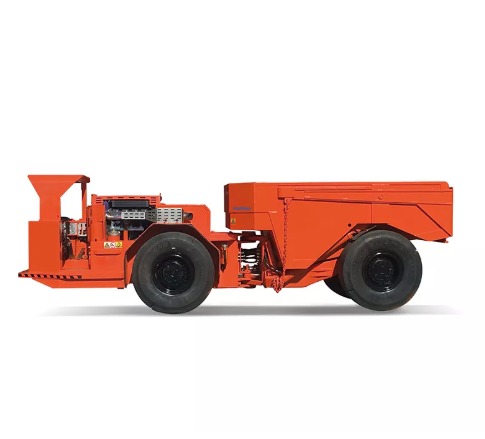
Underground dump trucks play a vital role in mining operations. However, their tipping can cause severe accidents and delays. A tip-over endangers both workers and equipment, leading to financial setbacks.
In this article, we will explore the causes of tip-overs and share practical tips to prevent them. By understanding these risks and implementing best practices, you can keep your mining operations safer and more efficient.
Underground mining environments are inherently difficult to navigate, with roads that are often far from smooth or even. The terrain presents several challenges, including steep slopes, tight curves, and uneven surfaces, all of which contribute to the increased likelihood of a dump truck tipping over. The rugged nature of the roads, particularly when wet or slippery, can make it difficult for the truck to maintain proper balance, especially when traveling at higher speeds. Uneven roads can cause sudden shifts in the truck's center of gravity, particularly when the truck is hauling an uneven or improperly distributed load. These rapid changes in weight distribution can lead to the vehicle losing balance and tipping over. Even small mistakes, such as a sudden turn or a slight miscalculation in speed, can result in a dangerous tip-over incident.
Overloading is one of the most frequent and preventable causes of tip overs. When a dump truck is overloaded, especially with an unevenly distributed load, its center of gravity rises, making it significantly more susceptible to tipping. If the material in the truck’s bed is not evenly spread across the entire surface, the truck becomes unbalanced, which compromises its stability. This imbalance is particularly problematic in underground mining environments where the roads and terrain are already challenging. An overloaded truck with poor load distribution will be more prone to tipping, especially when it navigates tight corners or steep inclines. Proper load management is crucial to ensuring stability and safety during transport.
Operator error is a key factor in many tip-over accidents. Inexperienced or poorly trained operators may struggle with the complex task of maneuvering an underground dump truck through hazardous conditions. Misjudging the truck's turning radius, failing to recognize unstable or dangerous terrain, or improperly managing speed during dumping operations can all contribute to accidents. The lack of training or insufficient safety protocols can result in operators making mistakes that compromise both their safety and the safety of the crew. Operator error is more likely to occur when there is a lack of experience in dealing with challenging underground mining conditions, including managing heavy loads, navigating tight spaces, or handling steep gradients. Comprehensive training is essential to mitigate these risks.
Underground mining tunnels are often narrow and poorly lit, which severely limits the visibility of operators. With limited visibility, operators may struggle to spot potential hazards ahead, increasing the chances of accidents. Additionally, confined spaces in mining tunnels restrict the amount of space available for maneuvering the truck, making it easier to hit walls, pillars, or other obstacles that could destabilize the vehicle. Poor lighting in these tunnels only worsens the situation, making it even harder for operators to navigate safely. These factors all contribute to a higher risk of tip-overs, as the operator may not be able to react to obstacles or hazards in time.
| Cause | Explanation | Preventive Measure |
|---|---|---|
| Uneven Road Conditions | Steep slopes, tight curves, and uneven surfaces increase instability. | Regular road maintenance, surface leveling, and better road design. |
| Overloading and Improper Load | Overloading raises the truck’s center of gravity, making it prone to tipping. | Ensure trucks are loaded within weight limits and maintain an even distribution. |
| Operator Error | Lack of experience or poor judgment leads to mistakes during operation. | Comprehensive operator training, including hazard recognition and speed management. |
| Poor Visibility and Restricted Space | Limited visibility and tight spaces increase the chances of hitting obstacles. | Install better lighting and use spotters for tight spaces and restricted areas. |
Routine maintenance and inspections are crucial for ensuring that underground dump trucks remain in optimal working condition. Key components such as tires, brakes, and suspension systems directly impact the stability of the vehicle. Tires that are worn or damaged can easily slip on uneven surfaces, leading to a loss of control and potentially a tip-over. Brakes that are in poor condition may not provide the necessary stopping power, particularly when descending steep grades. A compromised suspension system can cause the truck to wobble, which again increases the risk of a tip-over. To prevent accidents, regular inspections and maintenance of these components are essential to ensure that the truck operates safely and smoothly, especially on rough terrain.
Hydraulic systems play a vital role in controlling the functions of the dump truck, such as lifting the dump box and steering the vehicle. A failure in any part of the hydraulic system can lead to unpredictable movements, disrupting the truck’s balance and increasing the chances of a tip-over. Issues such as leaks or insufficient pressure in the hydraulic components can cause the dump box to lift unevenly, or the vehicle to steer erratically. Regular monitoring and checks of the hydraulic system ensure that all components are functioning correctly, and any potential problems are identified early, preventing issues that could compromise stability during dumping operations.
| Component | Inspection Frequency | Purpose | Action if Issues Found |
|---|---|---|---|
| Tires | Daily | Ensures proper traction and prevents slippage | Replace worn or damaged tires. |
| Brakes | Weekly | Ensures adequate stopping power | Service or replace if brakes are weak. |
| Suspension | Monthly | Maintains stability and prevents wobbling | Inspect for damage and replace if necessary. |
| Hydraulic System | Bi-weekly | Controls key truck functions (e.g., dump box) | Check for leaks and maintain pressure. |
Comprehensive training is essential to preventing tip-overs and ensuring the safe operation of underground dump trucks. Operators must be trained in safety procedures, hazard recognition, and the proper handling of the vehicle. This training should cover topics such as how to safely navigate steep slopes, tight spaces, and uneven ground, as well as how to avoid accidents during dumping operations. Operators should also be trained to recognize hazardous terrain and make the necessary adjustments to their driving behavior, such as reducing speed or avoiding certain areas. Ensuring that operators are properly trained will minimize the likelihood of human error, which is often a contributing factor in tip-overs.
Proper loading and dumping practices are crucial in preventing tip-overs. It is essential to ensure that the truck is never overloaded, as carrying too much weight raises the center of gravity and increases the risk of tipping. Additionally, materials should be evenly distributed in the truck bed to prevent the vehicle from becoming unbalanced. When dumping, the truck should always be positioned on solid, level ground. Dumping on uneven or soft surfaces can destabilize the truck, making it more likely to tip over. Operators should also be trained in proper dumping techniques, such as ensuring the tailgate is unlocked and confirming the truck is on stable ground before lifting the dump box.
The highest risk of tip-overs occurs when the truck’s dump box is raised. In this position, the vehicle’s balance becomes more precarious, and even small miscalculations can result in a tip-over. To mitigate this risk, the truck should always be on a stable, level surface before dumping. If the ground is uneven or soft, operators should avoid dumping until they can move to a safer location. Additionally, operators should avoid overloading the dump box and should be cautious when lifting the box to prevent sudden shifts in weight distribution that could destabilize the truck.
Choosing the correct dump truck for the specific job is essential for minimizing the risk of tip-overs. For narrow, confined spaces in underground mining, belly-dump semitrailers are often a better choice than end-dump semitrailers. While end-dump trucks work well in open areas, they can be more prone to instability when operating in tight underground tunnels. Belly-dump trucks are better suited for navigating confined spaces and uneven ground, providing greater stability. When selecting equipment, consider the specific needs of the site, including the space available and the type of terrain, to ensure that the truck is suitable for the job.
Off-highway vehicles are designed to handle rough, uneven terrain and provide better stability than standard on-road trucks. These vehicles are specifically built for challenging conditions, such as steep slopes and loose surfaces, which are common in underground mining operations. By using off-highway vehicles in areas with difficult terrain, operators can reduce the risk of tip-overs and maintain better control of the truck. These vehicles are also equipped with enhanced suspension systems and tires designed to provide greater traction and stability in rough conditions.
Weather conditions such as snow, rain, or extreme cold can complicate the dumping process. Wet or icy conditions may cause materials to stick to the truck bed, making it harder to unload and potentially causing uneven weight distribution. During winter months, frozen materials can add additional weight to the load, making it more difficult to unload properly and increasing the risk of tipping. To manage these challenges, operators should take extra precautions, such as using heated dump boxes to prevent materials from freezing and ensuring that the load is adjusted for better balance during the dumping process.
Navigating narrow and confined spaces is one of the most challenging aspects of underground mining. In these areas, operators have limited room to maneuver, and the risk of hitting walls or obstacles is high. Poor visibility can further exacerbate the situation, making it harder to spot potential hazards in time. To minimize the risk of tip-overs in tight spaces, operators should move cautiously and always be aware of their surroundings. Using spotters to guide operators through tight spaces can also help ensure that the truck avoids obstacles and remains stable during operation.
Preventing underground dump truck tip-overs requires a combination of best practices, proper maintenance, and well-trained operators. Addressing causes such as road conditions, overloading, and operator error significantly reduces accidents and ensures safety. Regular checks, correct load distribution, and proper dumping practices are crucial. A safer underground mining environment protects workers, extends equipment life, and boosts efficiency.
For enhanced safety and operational efficiency, RockMech offers reliable products that help improve the stability and performance of mining equipment, contributing valuable solutions to the mining industry.
A: An Underground Dump Truck is used to transport materials in underground mining, designed for rough terrain and tight spaces.
A: Proper loading, regular maintenance, and operator training help prevent tip-overs by ensuring stability and hazard recognition.
A: Tip-overs are caused by uneven roads, overloading, improper load distribution, and operator error in underground mining.
A: Regular checks of tires, brakes, suspension, and hydraulic systems ensure better stability and reduce the risk of tip-overs.


