


Views: 0 Author: Site Editor Publish Time: 2026-01-12 Origin: Site
How many tons of gravel can a dump truck carry? This question is crucial in construction, landscaping, and mining operations. The answer varies based on factors like gravel type, moisture content, and truck size.
In this article, you will learn about how these factors impact gravel load capacity. You’ll also discover how mining equipment, such as underground trucks, optimizes gravel transport in large projects.
When transporting gravel, it's essential to understand that not all gravel types are the same. The weight of gravel varies depending on its type, size, and composition. Different types of gravel have different densities, which impact how much weight a truck can carry per cubic yard. Some of the most common types of gravel include:
● Pea Gravel: Lightweight and smooth, commonly used for landscaping projects. It weighs around 1.25 tons per cubic yard.
● Crushed Stone: A denser form of gravel often used in road construction. Crushed stone weighs around 1.5 tons per cubic yard.
● Sharp Sand: Used in concrete mixing, this type of gravel has varying densities depending on the degree of compaction, typically ranging from 1.5 to 2 tons per cubic yard.
For mining operations, understanding the weight of the gravel being transported is crucial. In cases where heavier materials such as crushed stone are involved, it might be necessary to use mining trucks or underground trucks with higher load capacities to ensure efficient transport.
The key takeaway is that the weight of a dump truck load depends heavily on the type of gravel being used. Therefore, accurate identification and measurement of the gravel type before transport is essential for proper load planning.
Moisture is another crucial factor that impacts the weight of gravel. When gravel absorbs moisture, it becomes heavier. This can occur due to natural rainfall or if the gravel has recently been excavated from wet environments. Wet gravel can increase the weight by up to 20%, making it important for project managers to calculate accordingly.
● Wet Gravel: Can weigh up to 20% more than dry gravel, depending on the amount of moisture it has absorbed.
● Dry Gravel: More predictable and lighter than wet gravel, making it easier to estimate and manage.
In mining operations, understanding moisture content is particularly important, especially when transporting gravel extracted from underground mines. Underground loaders and underground trucks must account for the weight variation caused by moisture, ensuring they are not overloaded, which could compromise the safety of workers and the efficiency of operations.
Dump trucks come in various sizes, and each is designed to carry a specific weight limit. The size of the truck you use for gravel transport depends largely on the amount of material you need to move and the terrain of the site. Some of the most common types of dump trucks include:
● Standard Dump Trucks: Typically carry 10-14 tons of gravel, ideal for small to medium-sized construction projects.
● Tandem Dump Trucks: These can carry between 15 to 20 tons of gravel, often used in road construction and larger residential projects.
● Super Dump Trucks: These trucks can carry up to 26 tons, making them perfect for large-scale projects such as highway construction or large mining operations.
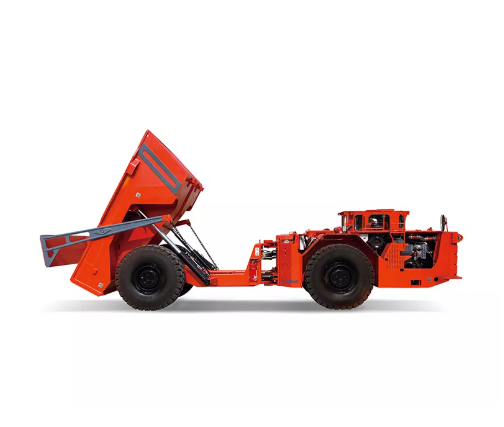
Mining equipment like underground trucks is designed for hauling gravel in confined underground spaces. These trucks are built to withstand harsh conditions and carry heavy loads across rough underground terrains. Choosing the appropriate dump truck or mining truck for your gravel transport needs can drastically improve the efficiency and safety of your project.
Gravel density refers to the weight per unit volume. The density of gravel varies depending on the type and compaction, which directly affects how much gravel can fit in a dump truck. Here’s a quick overview:
● Pea Gravel: Typically 1.25 tons per cubic yard.
● Crushed Stone: Around 1.5 tons per cubic yard.
● Sharp Sand: Can range from 1.5 to 2 tons per cubic yard, depending on compaction.
It is crucial to know the type of gravel being transported so that you can calculate the correct weight based on the density of the material. Underground trucks in mining operations frequently carry dense materials, and understanding this density helps ensure efficient transport, avoiding overloading and improving productivity.
Moisture increases the weight of gravel by adding water weight. It is particularly important to consider moisture when planning gravel transport in environments like mining. Wet gravel might weigh significantly more than dry gravel, which could lead to underestimating or overestimating the amount of material in a load.
To calculate the moisture impact:
● If you know that 1 cubic yard of dry gravel weighs 1.5 tons, wet gravel might weigh closer to 1.8 tons per cubic yard, depending on the moisture content.
This calculation is essential for mining trucks or any equipment used in mining operations, such as rock splitters and underground utility vehicles, to ensure that weight limits are adhered to and that the operation runs smoothly without accidents due to overloads.
Standard dump trucks typically carry between 10 and 14 tons of gravel. These trucks are ideal for smaller projects like residential landscaping or driveway construction, where large quantities of gravel are needed but not in extreme volumes.
● Typical Range: 10-14 tons
● Best For: Residential construction, minor landscaping projects, and small-scale road repairs.
For smaller scale mining operations, where material handling is critical, using underground trucks or smaller-sized dump trucks can provide more flexibility and control.
Larger trucks such as super dump trucks are designed to handle more substantial loads of gravel. These trucks can carry up to 26 tons of gravel in a single trip, making them essential for large construction projects, major roadworks, or large-scale mining operations.
Truck Type | Typical Capacity (Tons) | Best Use |
Standard Dump Truck | 10-14 tons | Small residential or landscaping projects |
Tandem Dump Truck | 15-20 tons | Medium-sized construction or road projects |
Super Dump Truck | 20-26 tons | Large-scale projects like highways or mining |
To estimate the weight of gravel needed for your project, you need to calculate its volume in cubic yards first. Here’s how to estimate gravel weight:
1. Measure the area: Length × Width × Depth (in feet).
2. Convert to cubic yards: Divide the cubic feet by 27 to get cubic yards.
3. Estimate the weight: Multiply the cubic yards by the weight of the gravel (typically 1.5 tons per cubic yard).
Example:
● If you need 10 cubic yards of gravel, you will need about 15 tons of gravel.
This simple calculation is essential for mining trucks and construction projects to ensure that the right amount of gravel is delivered without exceeding truck capacity.
To prevent overloads, always compare the estimated weight of the gravel with the truck’s weight limit. If you are working with a super dump truck, which can carry up to 26 tons, ensure the gravel weight doesn’t exceed that amount.
If you know that 1 cubic yard of gravel weighs 1.5 tons, then the total weight for any given volume can be quickly calculated by multiplying the cubic yards by the weight per cubic yard:
● Example: 15 cubic yards × 1.5 tons = 22.5 tons of gravel.
This method ensures that you’re properly estimating the amount of gravel required for your project.
Different regions and states have specific weight regulations for trucks, particularly for mining equipment. For example, in the U.S., federal laws generally limit the total weight of a truck and its load to 80,000 pounds (40 tons). However, specific regulations for mining trucks and underground trucks may vary.
It’s essential to be aware of these regulations to avoid fines and ensure safe transportation of materials.
In mining operations, gravel transport plays a key role in the movement of extracted materials. Underground trucks and haul trucks are designed for carrying heavy loads of gravel, rock, or ore. These trucks are built to handle extreme conditions in mining environments, making them ideal for transporting materials from deep within the mine to the surface.
● Underground Loaders: These loaders are essential for loading gravel in confined spaces within underground mines before it is transferred to mining trucks for transport.
In larger mining operations, transporting gravel from extraction sites to processing plants or storage facilities requires heavy-duty equipment like mining trucks. Larger super dump trucks can carry vast amounts of gravel, reducing the need for multiple trips, which saves time and costs.
● Heavy-Duty Mining Trucks: Capable of carrying significant loads in fewer trips, these trucks help mining operations maintain high productivity levels.
The primary difference between mining trucks and construction trucks lies in their capacity. Mining trucks are built to carry heavier loads, often up to 50 tons, while construction trucks are typically designed for loads of 20-26 tons. This makes mining trucks ideal for large-scale mining operations, where material volumes are substantial and need to be moved efficiently.
Efficient gravel transport is critical for the success of mining projects. By choosing the right mining equipment, such as underground trucks, utility vehicles, and underground drill rigs, mining companies can ensure that material transport is fast, safe, and cost-effective. This reduces the overall cost of transportation and contributes to the smooth running of the operation.
In conclusion, the number of tons of gravel a dump truck can carry depends on several factors, including the type of gravel, its moisture content, and the size of the truck. Understanding these variables ensures that trucks are appropriately loaded and materials are transported efficiently without exceeding weight limits. This knowledge is crucial not only for construction projects but also for large-scale mining operations. For mining projects, using the right mining equipment, such as underground trucks and rock splitters, can make all the difference in ensuring smooth and efficient operations. At RockMech (Yantai) Heavy Machinery Co., Ltd., we specialize in providing advanced underground trucks, utility vehicles, and other mining solutions tailored to meet the unique demands of the industry. Always consider the gravel type, moisture content, and the truck’s capacity when calculating how much gravel can be transported. Before embarking on your gravel transport project, carefully estimate the weight of the gravel needed and ensure that your trucks and equipment are capable of handling the load. By choosing the right equipment from RockMech, you can optimize your project's efficiency, ensure it stays on schedule, and keep it within budget.
A: A standard dump truck typically carries between 10 to 14 tons of gravel. This varies depending on the type of gravel, moisture content, and the truck’s design.
A: Wet gravel weighs more than dry gravel due to the added water weight. In mining operations, this can impact the load capacity of underground trucks and other mining equipment.
A: Super dump trucks can carry up to 26 tons of gravel. These trucks are ideal for large-scale construction and mining equipment transport, ensuring fewer trips and improved efficiency.
A: Underground trucks, used in mining operations, transport gravel through narrow tunnels. With their durable design and high payload capacity, they ensure efficient hauling and complement other mining equipment like underground loaders and rock splitters.
A: Yes, different types of gravel, like pea gravel or crushed stone, have varying densities, impacting the total weight in a dump truck load. Underground utility vehicles may be used to assist with material transport in mining.


